Public-private collaboration plays a critical role in making mixed-use projects pencil and perform, aligning retail and open space strategies to drive stronger communities.
 Misalignment between municipal planning and market conditions often makes it difficult for developers to meet prescribed retail square footage and open space requirements. For decades, cities have relied on fixed retail square footage requirements as a proxy for generating sales tax revenue. The thinking is that more retail square footage would lead to more retail sales tax revenue. Unfortunately, shifts in consumer habits have fundamentally altered the role of physical retail.
E-commerce has changed how people shop and what they buy in person, resulting in a reduction in square footage needs for retail. Oversupply in retail square footage can lead to increased vacancies, higher tenant turnover and underperformance in a retail ecosystem, resulting in decreased sales tax revenue for cities.
This shift has also exposed a major underwriting challenge: when cities require large retail footprints and significant open space, the revenue-producing square footage is reduced while the cost of placemaking increases. Without flexibility in retail requirements, land use or entitlement pathways, these projects often fail to pencil.
Where the Math Breaks Down
The shift in in-store retail behavior makes it clear that developers and municipalities alike need to rethink their approach to retail footprints and open space requirements.
There isn’t a one-size-fits-all solution. What is required is a context-sensitive design approach that gets people to show up, stay and buy. Retail environments have long been a place where people want to gather, purchase services and have new experiences. Today, that means a shift toward intimate gathering spaces lined with a thoughtful mix of performance-based retail.
A critical component of retail success is the framework for integrating public gathering spaces. Historically, cities have developed parks as gathering spaces for communities isolated from retail, which draws people away from revenue-generating retail environments and limits the economic return on public investment. This separation weakens the performance of cities’ retail destinations by dispersing foot traffic that would otherwise support tenants.
Well-designed and well-placed public spaces, plazas and green spaces embedded within retail environments act as catalysts for improved retail sales performance and create the conditions needed for projects to pencil in today’s market.
Designing for Performance, Not Just Placemaking
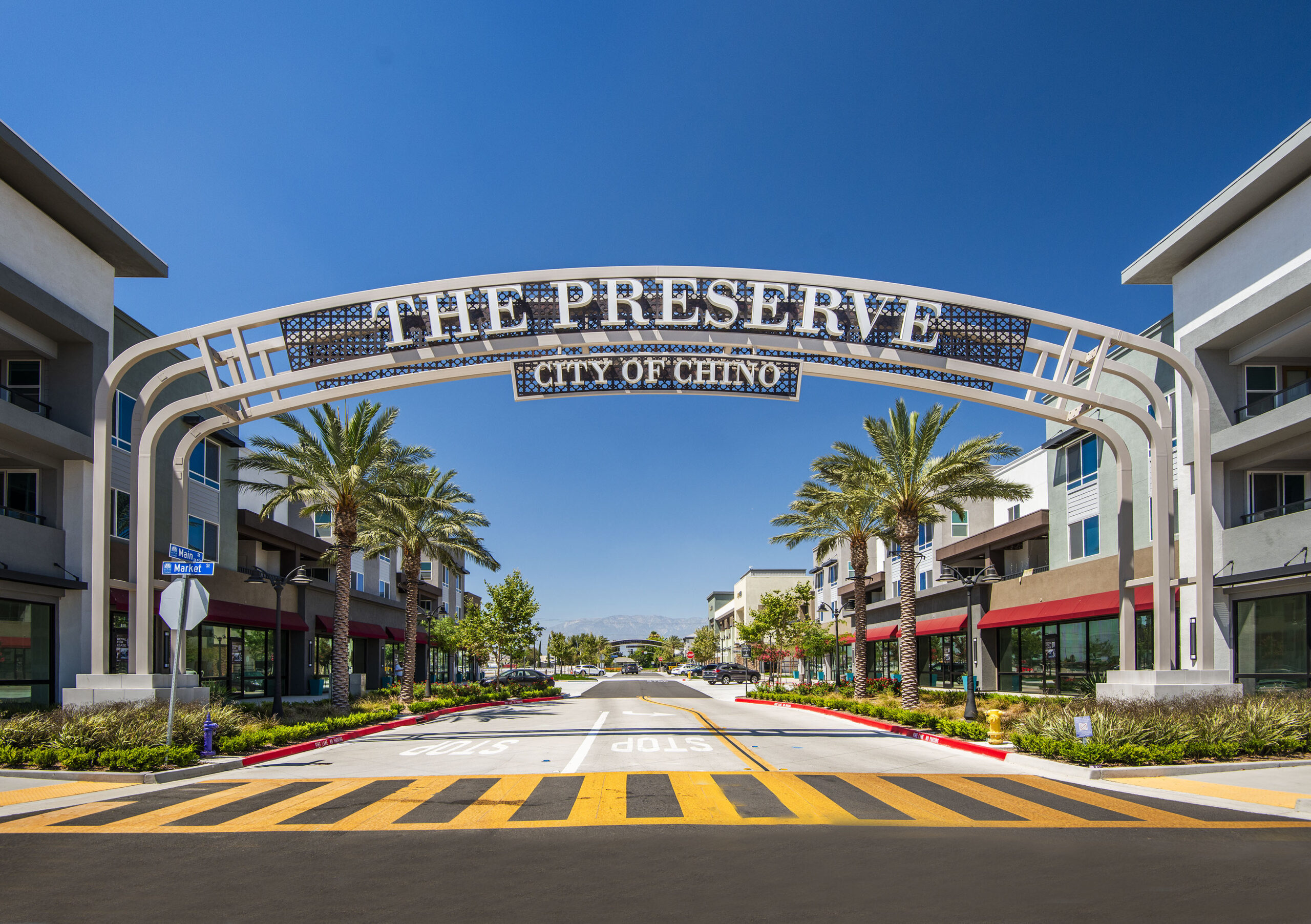
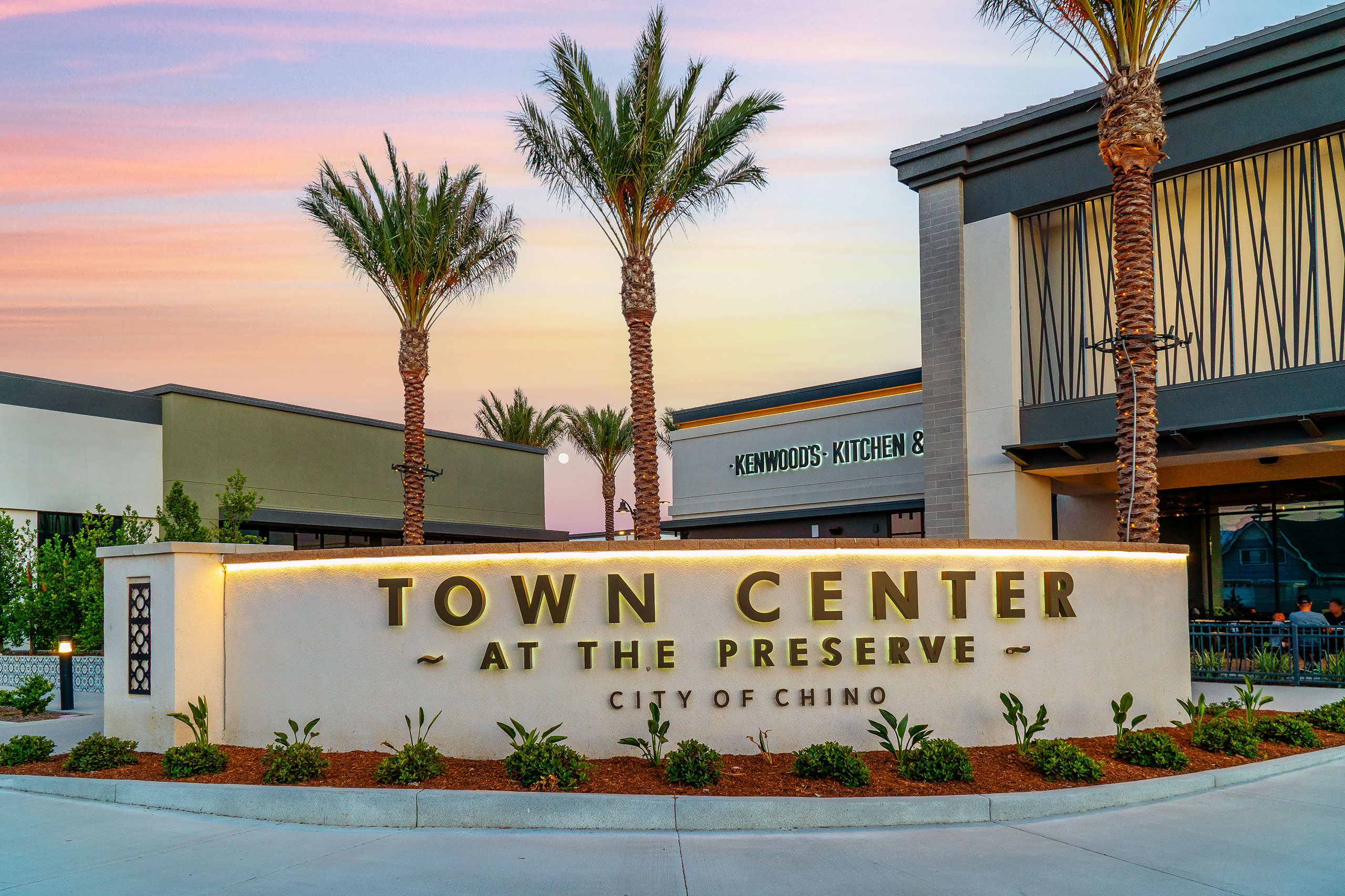
City planners tend to think big when it comes to activations, but Town Center at the Preserve, a retail center in Chico, Calif., that was completed in 2023, instead incorporates smaller shaded outdoor seating and intimate plazas alongside a main street. These smaller spaces draw people in, generate foot traffic, increase dwell time and lead not only to sales but to repeat visits. Large activations like farmers markets and city- or chamber-sponsored events are also possible because the main street and adjacent parking stalls are designed to be sectioned off as needed to accommodate vendors.
This model works because it aligns with how underwriting functions today: smaller, flexible retail footprints paired with right-sized gathering spaces reduce risk, improve tenant performance and create a predictable revenue environment. When cities support this approach through entitlement flexibility, reduced minimum retail requirements or land contributions, the feasibility gap narrows significantly.
In this framework, developers don’t need to assume responsibility for event planning or activating the park, and parking stalls are transformed only on days where increased foot traffic makes up the cost. All parties benefit with increased traffic from strategic activations. Retail sales increase and developers can obtain higher rents; tenants see sales per square foot grow year-over-year, and cities benefit from the increased sales tax revenue.
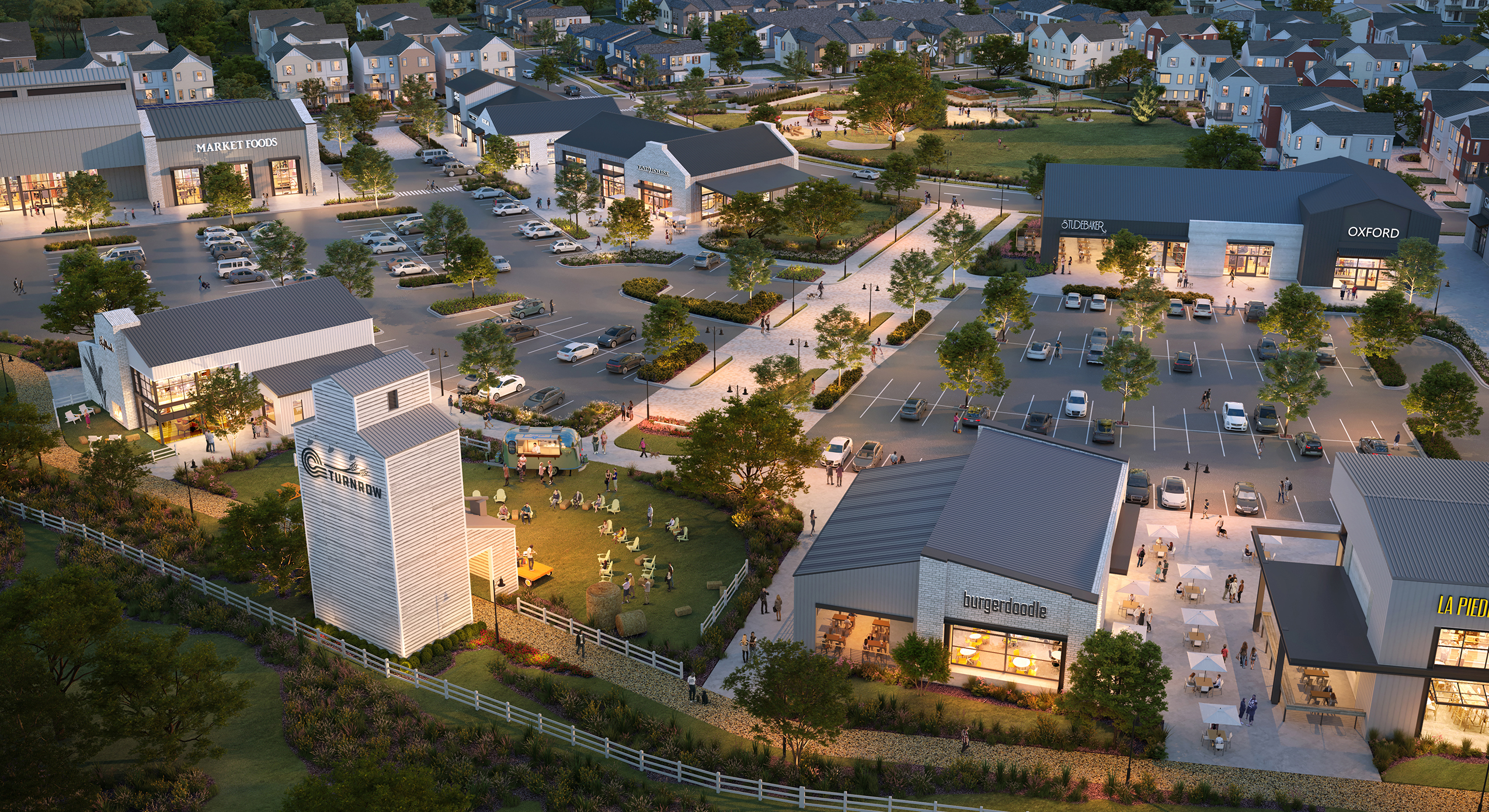
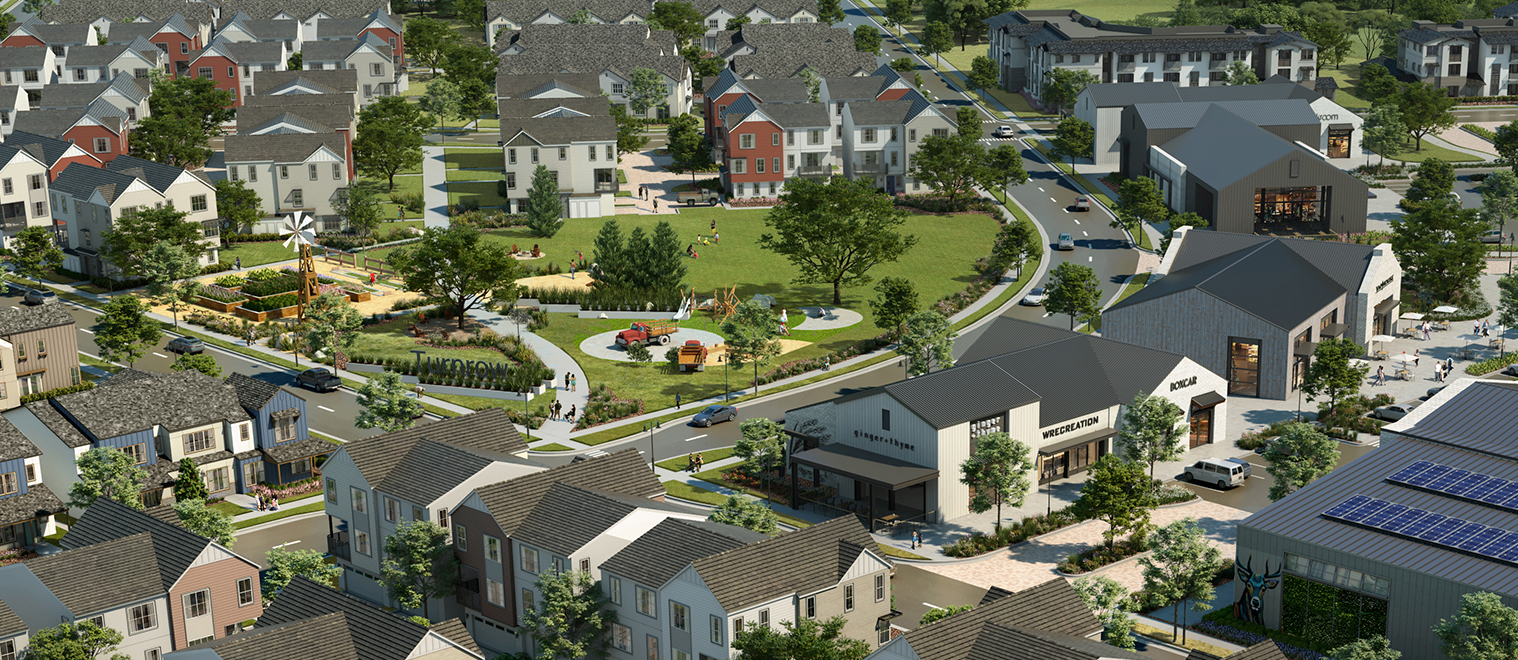
At Turnrow, a planned mixed-use development in Bozeman, Mont., the approach to open space responds to the needs of the community in a different way. At the heart of the community is a small-footprint, retail-focused “village square.” A grass lawn anchors the square and serves as a space for farmers markets, pop-ups and concerts. A second green space complete with community garden, children’s play area and lawn serves as a pedestrian connection between retail and residential environments. This proximity invites residents who are out for a stroll to stop for coffee.
Aligning Public Investment with Retail Outcomes
These examples demonstrate how collaboration between cities and developers can directly drive revenue when structured around shared goals. Cities that contribute land, infrastructure funding or regulatory incentives enable developers to invest in the types of public spaces that increase foot traffic, improve tenant retention and generate higher sales tax revenue.
A public-private solution structured for co-investing in retail performance results in reliable retail sales tax revenue for cities, meaningful community value and a financially viable project for developers. This can look like cities contributing land, funding or regulatory incentives to support the development of public plazas or green spaces. In return, the developer builds and maintains the public gathering spaces, creating a mutually reinforcing system where social behavior supports retail performance.
Ongoing programming and activation of the gathering spaces are essential to sustaining retail success. Design alone is not enough. Gathering spaces need to be animated with events, performances and other community activities that draw people in. Cities can support programming through hosting events and strategic partnerships while developers provide the operational oversight. Together, they create a gathering space that fosters community interaction and in turn generates revenue.
If there isn’t a commitment to adapt — by rethinking retail square footage requirements, offering entitlement flexibility or participating through land or funding contributions — fewer viable mixed-use projects will move forward. The result is less activation, fewer community amenities and missed economic opportunities for municipalities.
When cities and developers align around performance – not just planning standards – retail becomes both a revenue driver and a community asset.