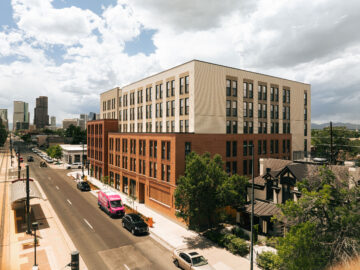
 Affordable home ownership matters because it offers stability, equity and pride of ownership. In Denver’s Five Points, where rising property values make it difficult for many residents to remain, affordable condominiums create an alternative that gives people a chance to buy into their community and keep a long-term connection to the neighborhood. In a for-sale affordable building, residents are buying more than a home; they inherit the long-term costs. When mortgage payments, HOA fees, insurance, maintenance and utilities are due, durability and livability become hinge points of the affordability equation. Quality is not a luxury to be added after affordability is solved. Quality is one of the ways affordability is preserved and passed down.
As a case study in how quality supports affordability, The Hattie McDaniel is a recently completed Five Points condominium building developed by Shanahan Development in concert with Elevation Community Land Trust and designed by KTGY. Built on a former RTD parking lot, the six-story building provides 62 affordable for-sale homes in a historic neighborhood undergoing rapid development. In terms of the structure, finish and owner experience, this building challenges the assumption that affordable housing must be of lower quality.
Quality as a cost strategy.
The Hattie McDaniel is built on a 99-year land lease and intended to deliver more than one round of below-market homes. As time goes on, it will become a long-standing civic asset as each resale extends the ownership opportunity to another household, allowing the initial investment to serve multiple generations. With Colorado Housing and Finance Authority assistance providing below-market-rate mortgage options, the development addresses the purchase price of the homes and the monthly cost of ownership. For many households, the monthly costs determine whether ownership is attainable and practical.
Every decision that improves durability, reduces maintenance or limits insurance exposure reduces the costs passed down to homeowners. The selection of a steel frame vs. wood construction is one example. A noncombustible steel structure appears more expensive in a first-cost comparison, but the long-term calculation shows the benefits. Steel offers strong fire and acoustic performance, limits shrinkage and movement, and lowers insurance costs during construction and over the life of the building. For homeowners and the HOA, those reduced risks matter because they influence the cost of ownership long after construction is complete.
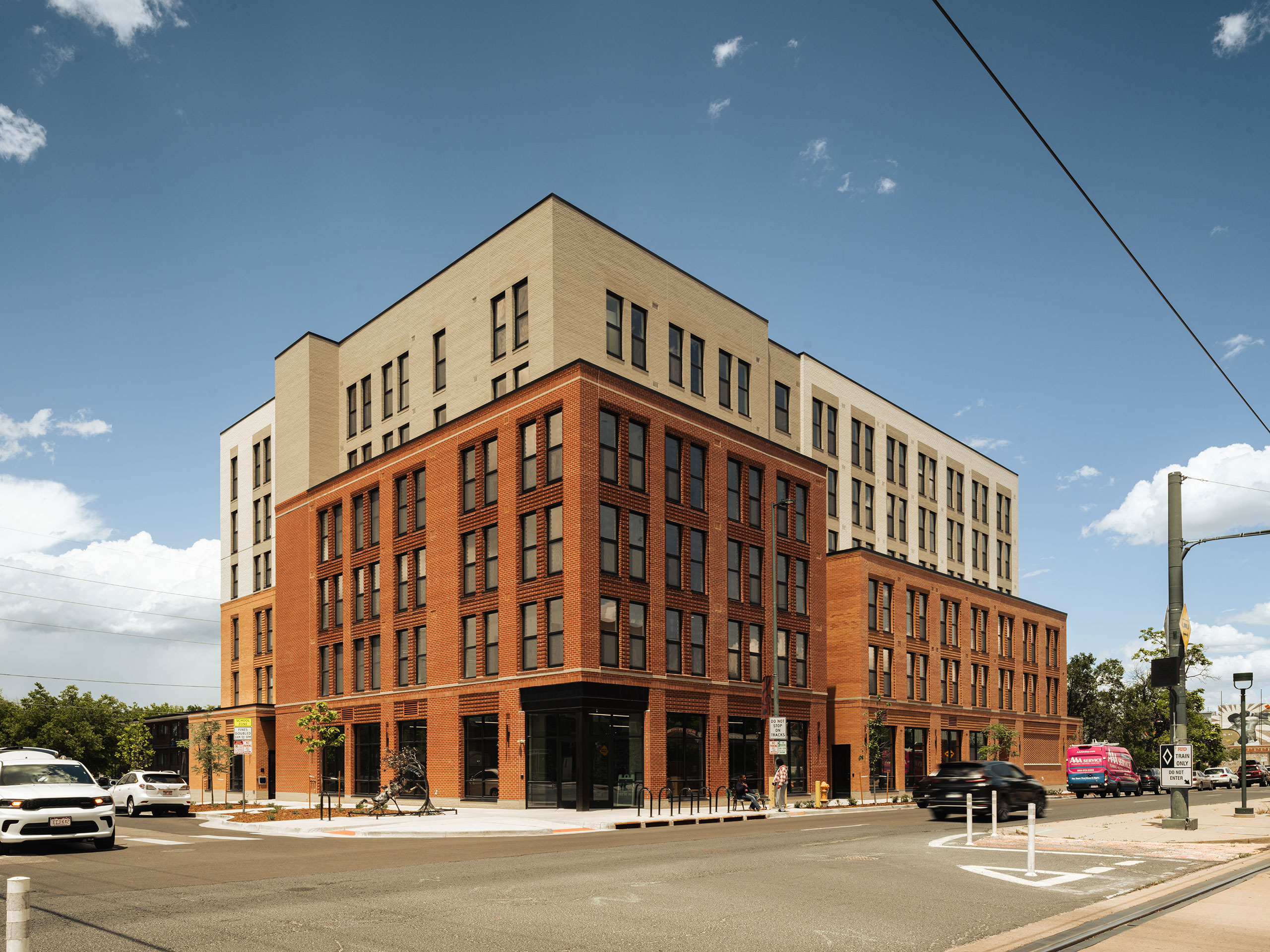
Brick is appropriate to the character of Five Points Historic District, and it provides a durable, low-maintenance exterior for a building intended to serve residents over generations.
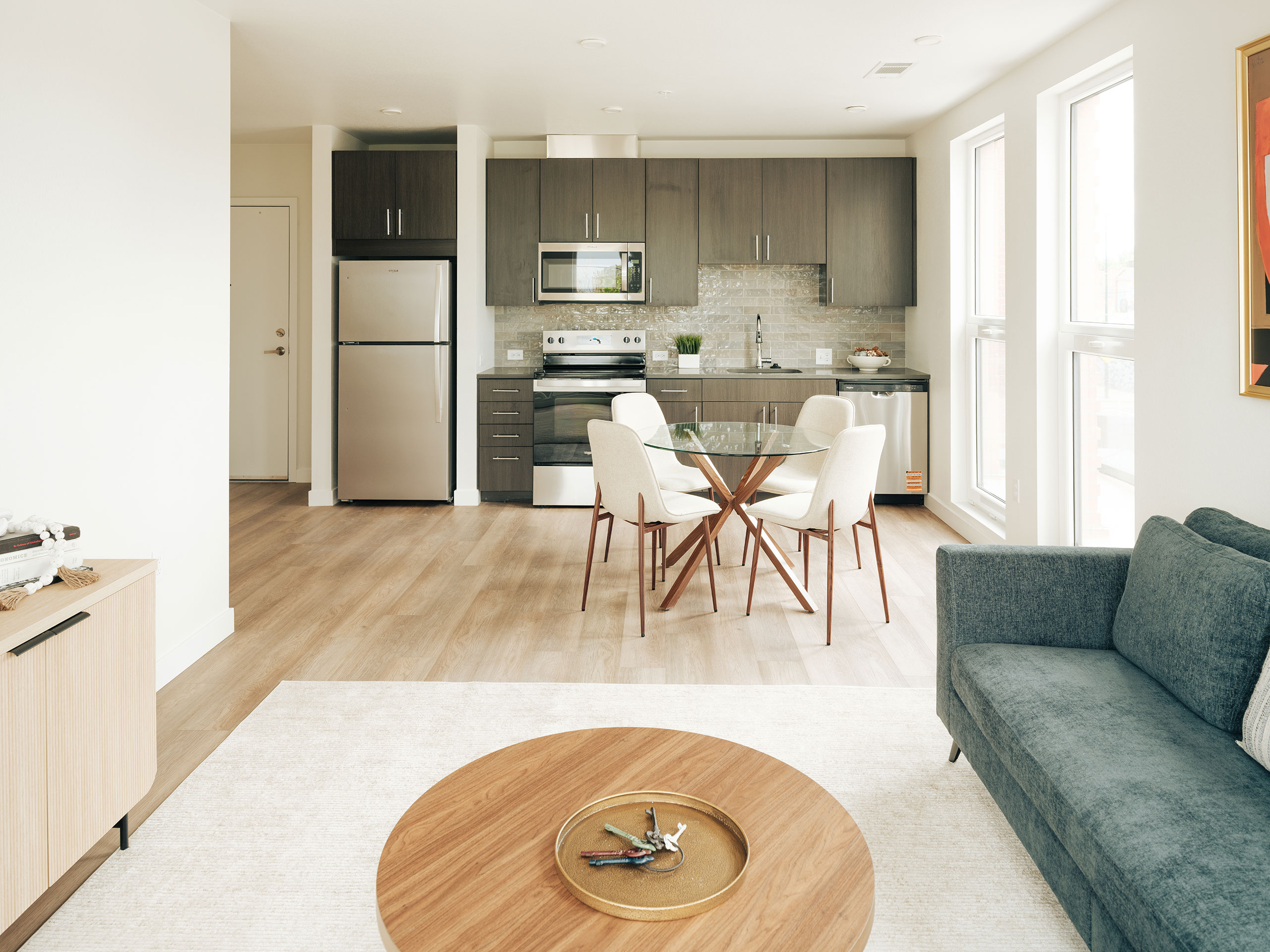
The Hattie McDaniel’s units are compact and designed to be more efficient relative to comparable market-rate units.
During the design process for The Hattie McDaniel, we learned the same benefit applied to exterior material selection. Brick is appropriate to the character of Five Points Historic District, and it provides a durable, low-maintenance exterior for a building intended to serve residents over generations. Masonry can reduce recurring maintenance burdens while still allowing visual richness through depth, color, texture and shadow. The all-brick exterior also avoids some of the complexity that comes with multiple material transitions, flashing conditions, differential movement and coordination of additional trades on the job site.
Quality drives affordability in the units and building systems. Durable finishes such as LVT flooring, quartz countertops and solid-surface shower surrounds are easier to clean and less likely to require replacement. The all-electric building has efficient heat pump HVAC systems for the individual units and a central roof-mounted heat pump water heater that balances efficiency and space in compact units where every square foot is important.
Efficiency as design strategy.
Affordable for-sale gives owners an opportunity to build equity that they can pass down to their families. Equity is in the home, so the design of an affordable condominium should prioritize the units and the experience of families living in them. The Hattie McDaniel has 21 three-bedroom homes and an emphasis on two-bedroom, one-bath layouts. This mix works to support families as opposed to a roommate-driven market-rate model.
Enhancing livability in every square foot is critical to the long-term ownership model. The Hattie McDaniel’s units are compact and designed to be more efficient relative to comparable market-rate units. Light-filled spaces, carefully planned bedrooms, fewer walk-in closets and practical bathroom configurations are design moves that prioritize usable living space over excess area. The design team also chose to exclude exterior balconies because they increase envelope complexity, risk water intrusion and add maintenance obligations for the HOA.
Careful planning around parking and amenities reduces long-term maintenance costs and redirect the development’s resources where they will have the most value for owners. The Hattie McDaniel provides 26 parking spaces for 62 homes and relies on a transit-adjacent location and included RTD passes for residents. We complement transit with a ground-floor bike room with space for 50 bikes. Less parking means more of the site and budget can go toward homes rather than cars, while also reducing maintenance obligations. With the development’s focus on active mobility and transit, the design team could focus on the units while finding efficiencies in the building that make it attainable.
Conclusion. As developer Jeff Shanahan said, “We need to have a longer vision when we’re building these projects.” A vison that extends beyond the building with durable and contextually appropriate architecture contributes to the community, reinforces the character of the district and allows affordable housing to become a lasting community asset. In a market for-rent model, architects weigh the costs most heavily at construction. In a model of affordable ownership, designers must give equal weight to the ongoing costs that affect the ability of residents to realistically remain in their homes. Affordability is about reducing the long-term cost and risks of ownership as much as the purchase price.
Affordable for-sale developments remain rare because they require many conditions to align. There is an ever-growing need for this type of housing, and the opportunities are there for developers willing to take on the challenge. In the case of The Hattie McDaniel, Shanahan Development’s model and KTGY’s architectural work came together around a shared goal for long-term ownership. This partnership suggests that when the question of long-term cost leads the process, then quality becomes the method by which affordability is preserved.